

Christened Symbols: Algiz
Cross of the tree of life

Spend any time around neopagans and you’ll see Algiz: ᛉ displayed in their names and profiles. Perhaps the most popular modern rune; its popularity today perfectly correlates to its historical rarity.
Like most alphabets, runic scripts derive from Proto-Sinaitic. Algiz’s earliest ancestor is Phoenician kap: ꓘ. The Greeks adapted it into archaic chi: 𐌙, from them it spread to Italy where it represented x and z. Sometime after Christ’s birth, Germanic mercenaries and merchants adapted north Italic and Greek scripts into Elder Futhark.
ᛉ represented the Germanic terminal z phoneme: ex. Wodenaz. Initially fairly common, people stopped pronouncing terminal z, leaving the rune without its sound. Algiz totally vanished after AD 500 on the mainland, while in Britain, Anglo-Saxons used ᛉ to transliterate x and ch.
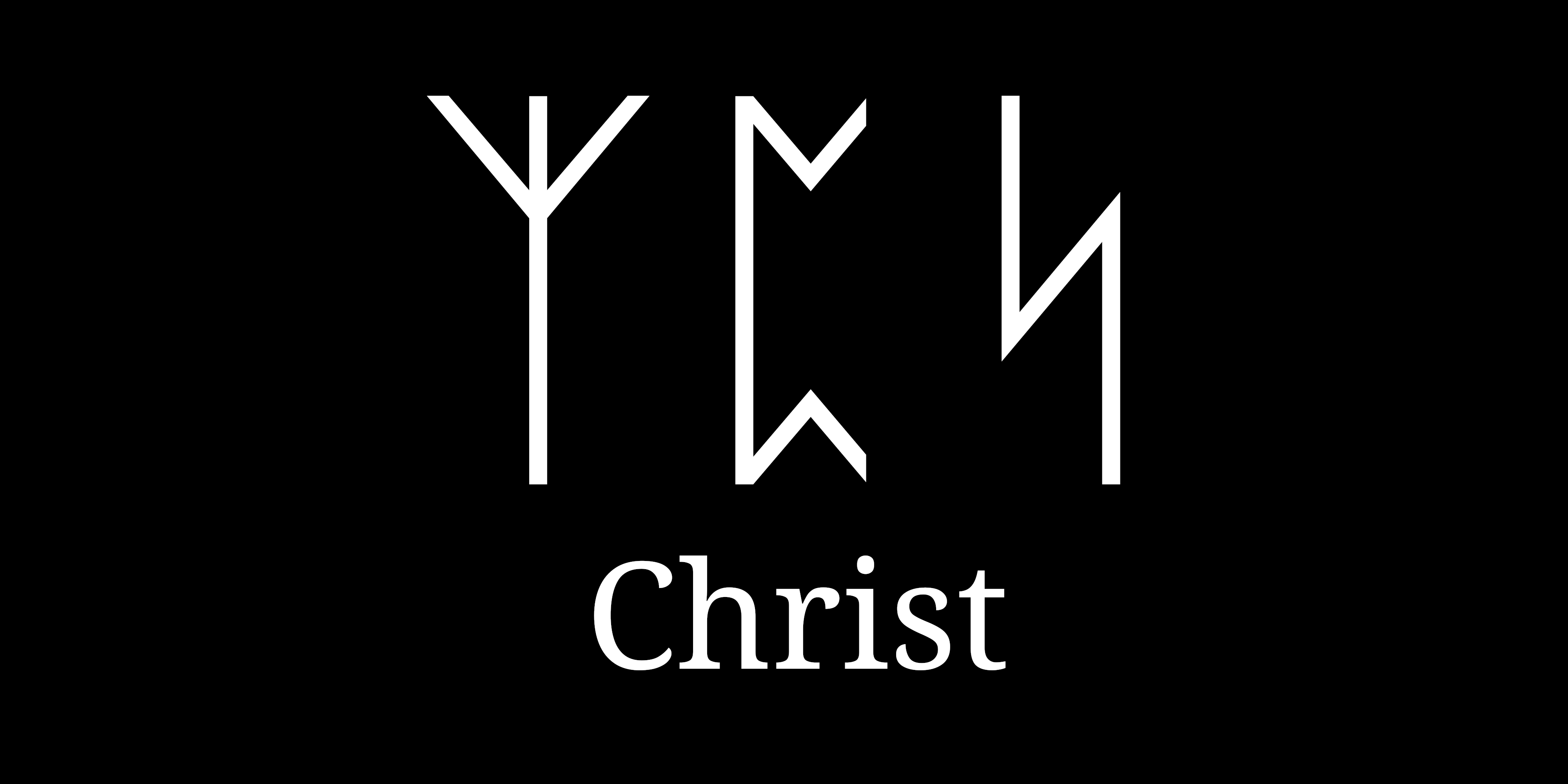
With the Norman invasion, Algiz dissappeared for nearly a millennium.
The symbol re-emerged with the Armanen runes created by Meister Guido von List, who associated it with the m rune in younger Futhark, maðr: ᛘ. Where he got the shape from is unsure.
Given that List spends half of The Secret of the Runes ranting about how his made up proto-masonic mythic pagan priesthood hid sacred symbols in cathedrals and artwork, he probably got the man rune from God-man Himself:
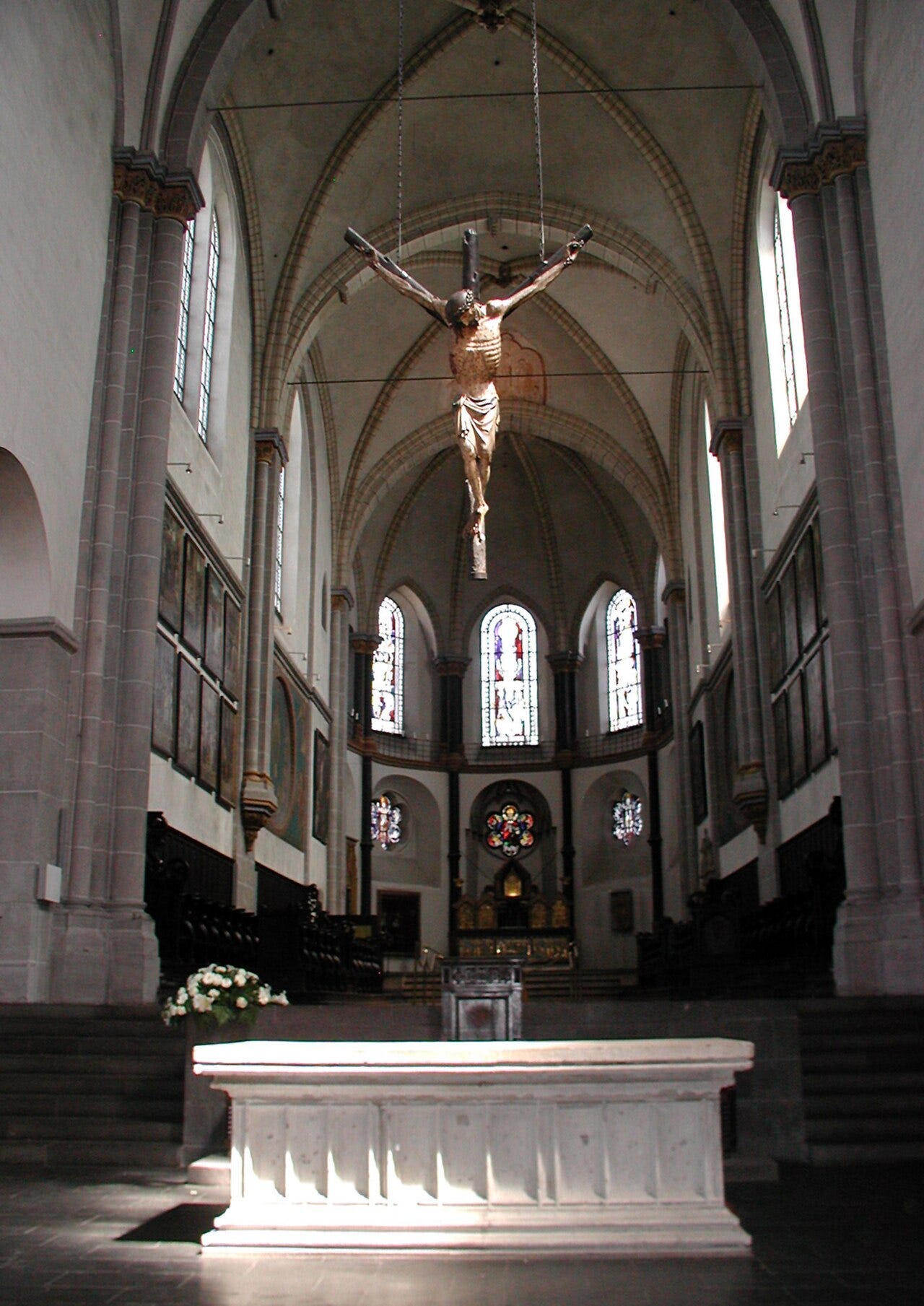
While common in Germany and Austria, forked crosses are not Germanic at all, but developed from tree of life symbolism and late medieval crucifixi dolorosi. The oldest crosses betray Italian artistic influences and were spread by mendicant orders like the Dominicans.
Algiz variously means elk-grass, water-grass, or a gloss for the X sound. List associates ᛉ with man, moon, and mother. Neither particularly mean life, which is odd, since it’s called the Lebensrune or life rune.
The only place symbol matches meaning is a priest’s back.
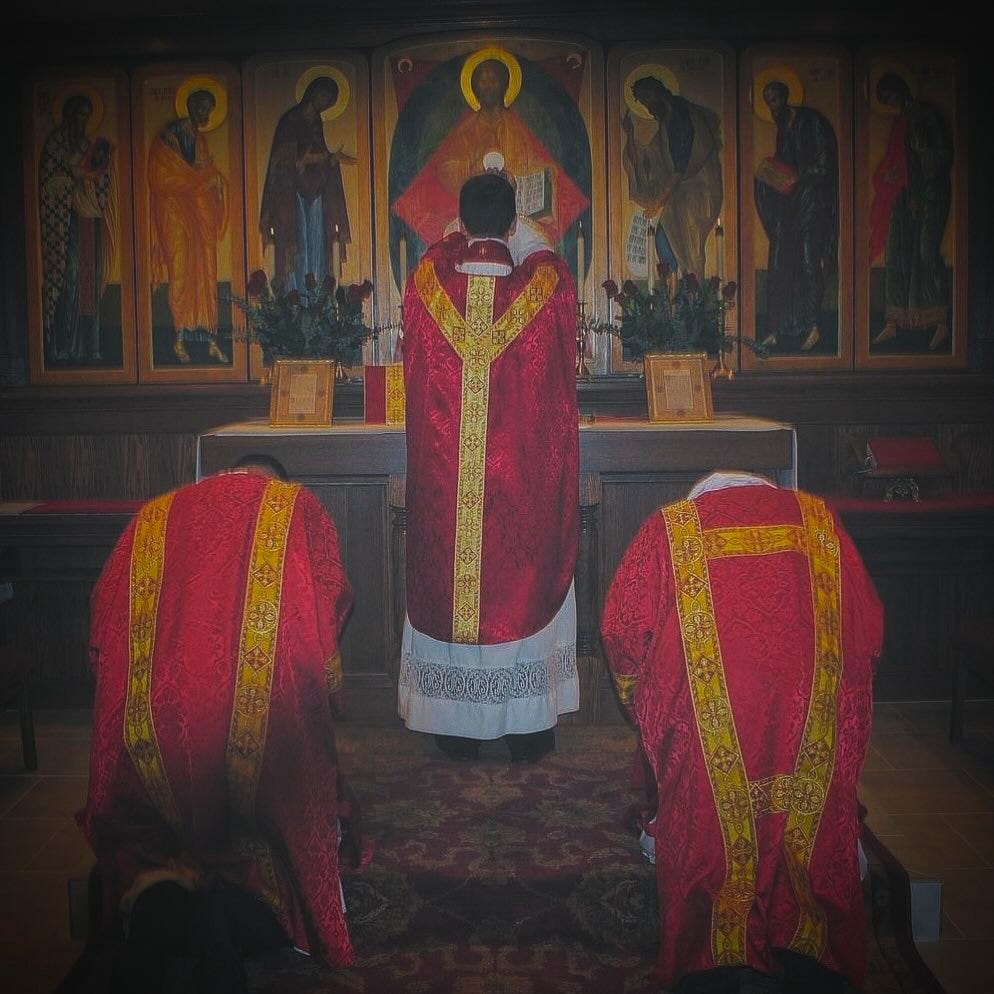
Laity look up as the priest elevates Jesus Christ framed by gouting incense and thundering bells. And below the apple of life, the tree of life burns into their soul. Whether Christian or apostate, somebody took this and scrawled it into Ariosophy.
Gothic style vestments exploded in popularity in the 1840s as a reaction to absolutely hideous french fiddleback chasubles. They were basically universal by 1860. In 1925, the papacy banned them. No one particularly cared and kept wearing them.
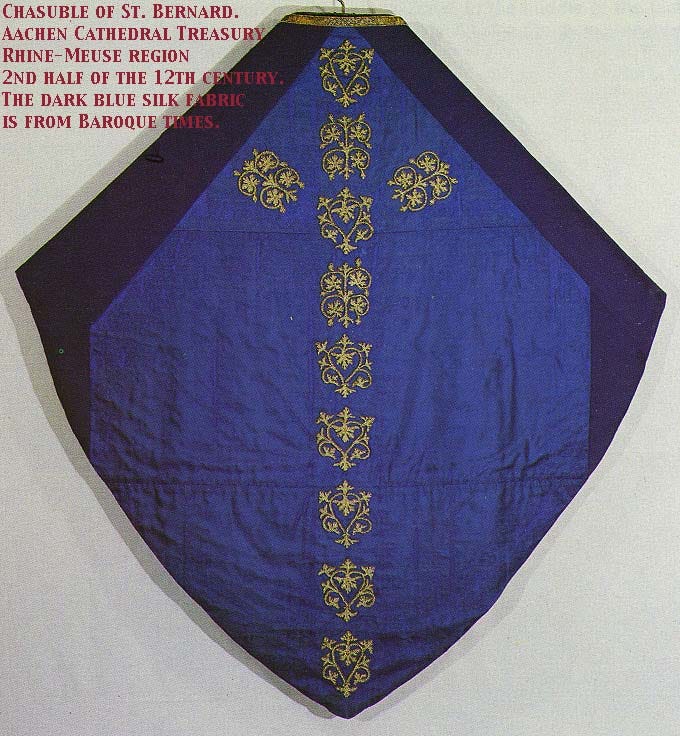
The forked shape came from recutting the conic chasuble and orphrey: freeing up priests to more easily serve the liturgy. The oldest versions date to the 1100s in England. I wonder if the forked cross actually comes from Anglo-Saxons using ᛉ as a Christogram, but that, at least, is unknown.
What is known is Algiz, the life rune, is the Cross: tree of life, throne of our Lord, and symbol of Jesus Christ’s birth, death, Resurrection, and eternal victory.
When neopagans use it, they proclaim once and forever: Christ is King! Never let them forget it.
Subscribe now to receive free essays, short stories, and poems directly in your inbox.
Join the chat to discuss this post.
Thank you for reading and God bless! — Luke Sardis